
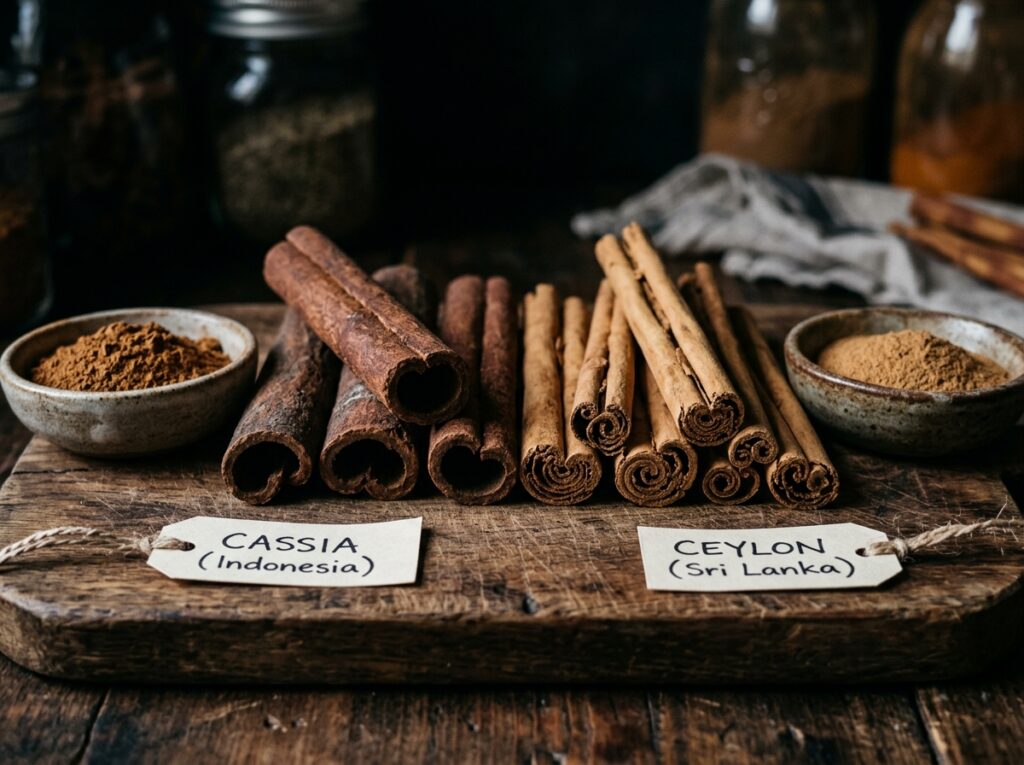
The headline version is dramatic, but the truth is more useful: the spice is cinnamon, and what some countries really crack down on is not cinnamon itself, but coumarin, a naturally occurring compound that is much higher in cassia cinnamon than in Ceylon cinnamon.
In the United States, most supermarket cinnamon is cassia. In parts of Europe, regulators have taken coumarin seriously enough that foods with a lot of cinnamon are subject to specific legal limits. That does not mean cinnamon is literally banned abroad. It does mean other countries have been more explicit about where too much of the wrong kind can become a problem.
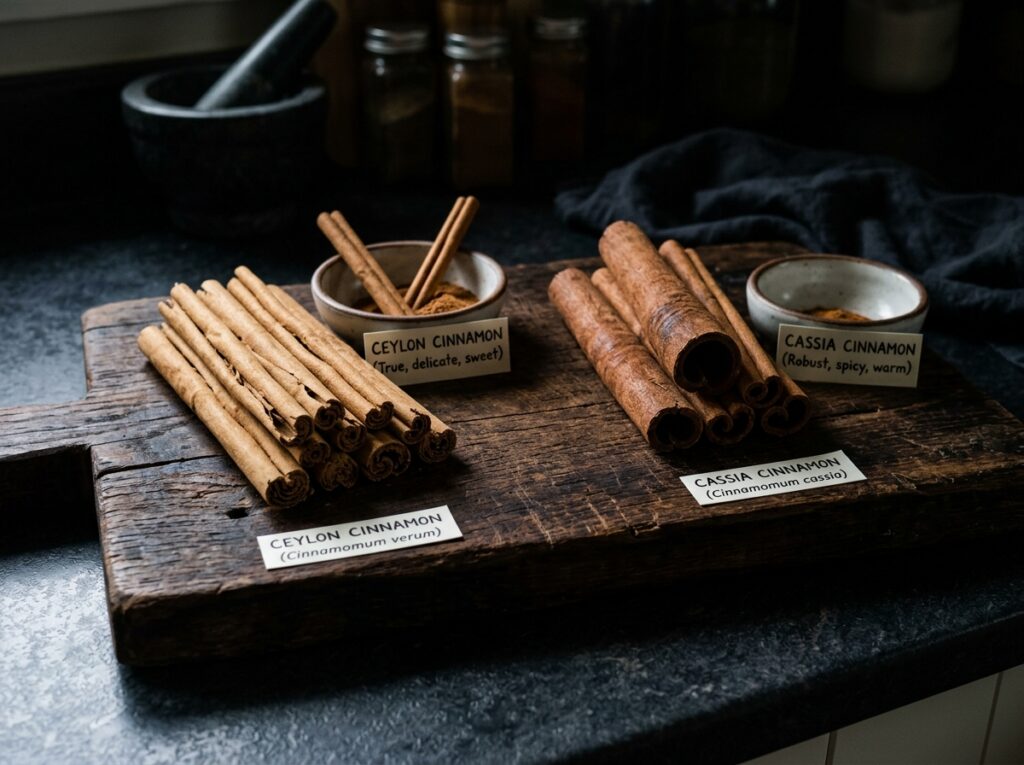
The real issue is cassia cinnamon, not all cinnamon
Cinnamon is not just one thing. The two names worth knowing are cassia and Ceylon. Cassia is the type most commonly sold in the United States and Canada. Ceylon is often marketed as “true cinnamon” and tends to contain far less coumarin.
That difference matters because coumarin is the part regulators watch. The U.S. National Center for Complementary and Integrative Health notes that cassia cinnamon contains varying amounts of coumarin and that, for some people, large amounts may worsen liver problems. That is already a very different story than the usual social media version, where cinnamon gets painted as either superfood or poison.
The more accurate takeaway is smaller and more practical: the kind of cinnamon you buy matters more than most labels make obvious.
Why other countries treat cinnamon more cautiously
The European Union does not ban cinnamon. But it does set maximum coumarin levels for certain foods. Under Regulation (EC) No 1334/2008, the EU limits coumarin in several categories, including desserts, fine bakery ware, breakfast cereals, and seasonal bakery items that reference cinnamon on the label.
That is a meaningful distinction. Regulators are not saying, “Do not eat cinnamon.” They are saying, “If a food uses cinnamon or flavorings in a way that pushes coumarin too high, that product should not be sold over the limit.”
- Traditional cinnamon-labeled seasonal bakery items have a higher EU limit than ordinary fine bakery items.
- Breakfast cereals and desserts have their own separate coumarin caps.
- The focus is exposure in finished foods, not panic over one sprinkle on toast.
Germany’s Federal Institute for Risk Assessment has also warned for years that people with high, repeated cinnamon intake can end up with too much coumarin exposure, especially when cassia cinnamon is involved.
So is cinnamon “basically banned” somewhere?
Not literally. But the phrase catches onto a real underlying truth: some countries regulate the risk more directly than American shoppers are used to seeing on the shelf.
If your mental picture of cinnamon is “harmless brown powder with no difference between brands,” other markets would push back on that idea. They are more likely to distinguish between cinnamon types, watch coumarin exposure, and set legal limits in cinnamon-heavy foods.
In other words, the sensational version is wrong, but it points toward a real grocery truth: not all cinnamon is interchangeable, and some countries behave as if that fact matters more than U.S. packaging does.
What this means for shoppers in the U.S.
For most people, an occasional dusting of cinnamon is not the issue. The bigger concern is the habit of using cassia cinnamon heavily and repeatedly without realizing that it is not the same as Ceylon.
This matters most if you:
- add cinnamon to oatmeal, coffee, smoothies, or toast every day
- take cinnamon capsules or other concentrated supplements
- have liver disease or have been told to be careful with liver-related exposures
- buy cinnamon only by price and never by type
If you use a lot of cinnamon, Ceylon is the label worth looking for. It usually costs more, which is part of why cassia dominates ordinary grocery shelves. But that price difference is not just branding. It often reflects a meaningful difference in composition.

The label secret hiding in plain sight
Most cinnamon jars do not loudly explain whether they are cassia or Ceylon, and most shoppers do not know to ask. That makes this less of a spice story and more of a labeling story. You are often expected to treat them as one ingredient when they do not behave the same in risk terms.
That is the real reason this topic sticks. It feels like a secret because it sort of is. Not a conspiracy-level secret, but a quiet grocery-store secret where one version is cheap, common, and lightly explained while the safer everyday choice is more niche and more expensive.
If you enjoy this kind of label reality check, this article also pairs naturally with a kitchen explainer on why garlic tastes stronger after a short rest before cooking.
Important nuance:
This article does not mean cinnamon is banned in Europe or that normal use is automatically dangerous. The more accurate claim is that some countries impose clearer coumarin limits in cinnamon-heavy foods, and that cassia and Ceylon should not be treated as identical.
Practical takeaway:
If cinnamon is an everyday ingredient in your kitchen, check whether you are buying cassia or Ceylon. For occasional use, the difference may not change much. For frequent use, that tiny label detail matters more than most people realize.
Get the notes
One practical email when a new story is worth your time.
Short field notes, kitchen flags, and backyard context without spam or wellness fluff.
Key reminder
Use the risk badge and context together. A familiar look, label, or assumption is never enough to treat a finding as safe.